
Not a summerhouse at all
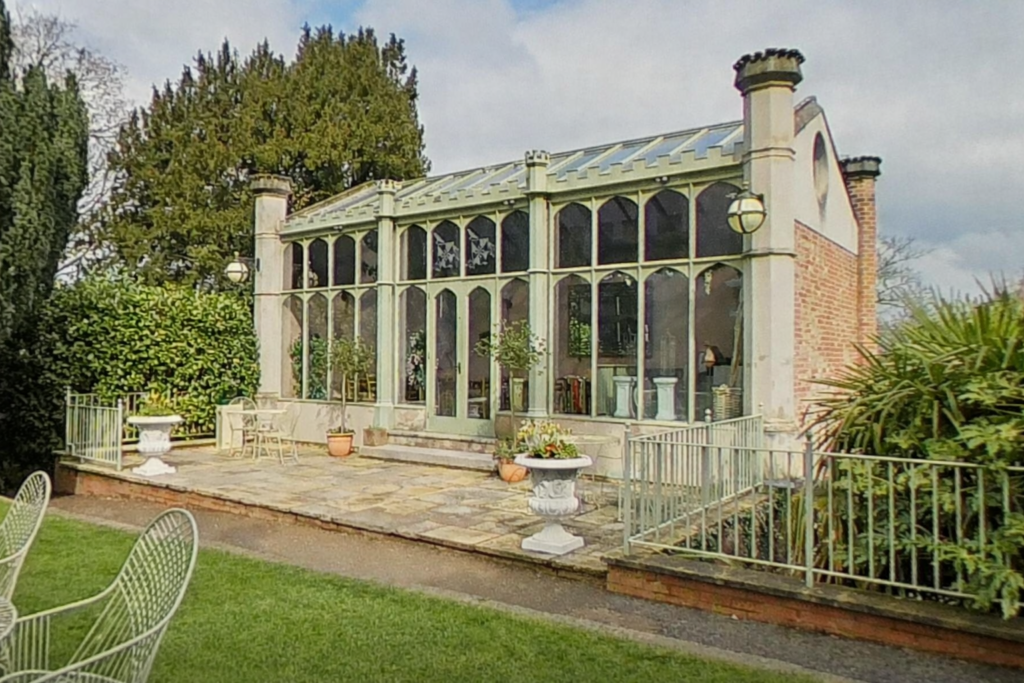
In Historic England’s listing, this Grade II structure is officially described as a “summerhouse”, a term suggesting a light, ornamental building intended for leisure. In reality, it was something very different.
Built in the 1840s, it formed part of an extensive glasshouse range stretching for over 100 yards along the hillside. Its alignment—running east to west with a fully south-facing elevation—was carefully designed to maximise sunlight, while its cast iron framing allowed for large areas of glazing. Together, these features created the precise conditions required for the cultivation of tropical plants.
This was not a decorative retreat but a working horticultural building. It was specifically used to grow exotic species, including Victoria regia and other tropical water plants—among the most demanding and prestigious displays in Victorian horticulture. Such plants required not only abundant light but also sustained heat and carefully controlled conditions, placing this structure firmly within the realm of advanced nineteenth-century garden technology.
The evidence for this survives in the fabric of the building itself. To the rear, built into the hillside, are a series of brick-vaulted chambers accessed through four-centred arches. These formed part of a heating system, distributing hot water generated by a coal-fired boiler. Installations of this kind were essential to maintain the high, stable temperatures needed for tropical cultivation and demonstrate that this was a sophisticated and carefully engineered environment.
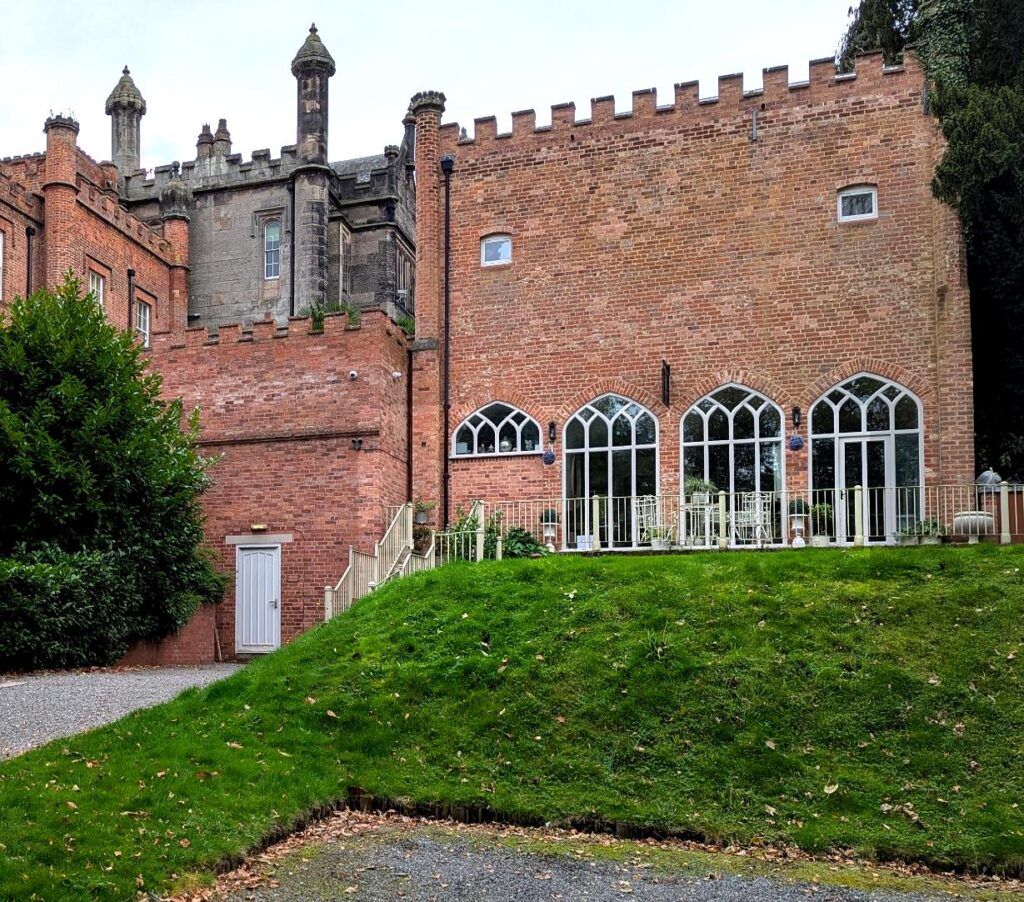
The building’s later history obscured this original purpose. Following the death of Josiah Spode IV in 1893 and the donation of the estate to the Dominican Order the glazing was removed, blind panels inserted, and the roof replaced with asbestos cement. In this altered form it was repurposed by the Dominican monastic community as a bathhouse—an adaptation which masked its earlier function.
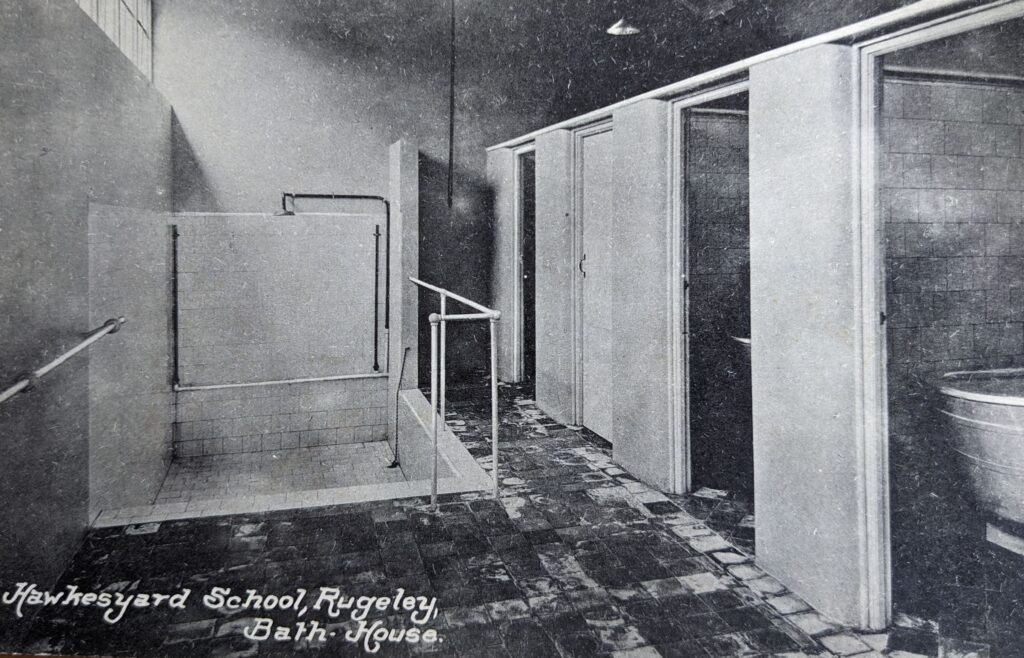
The Dominican Order left the estate in the 1980s and by the time it was put up for sale in 1988 the building was in a dilapidated state.
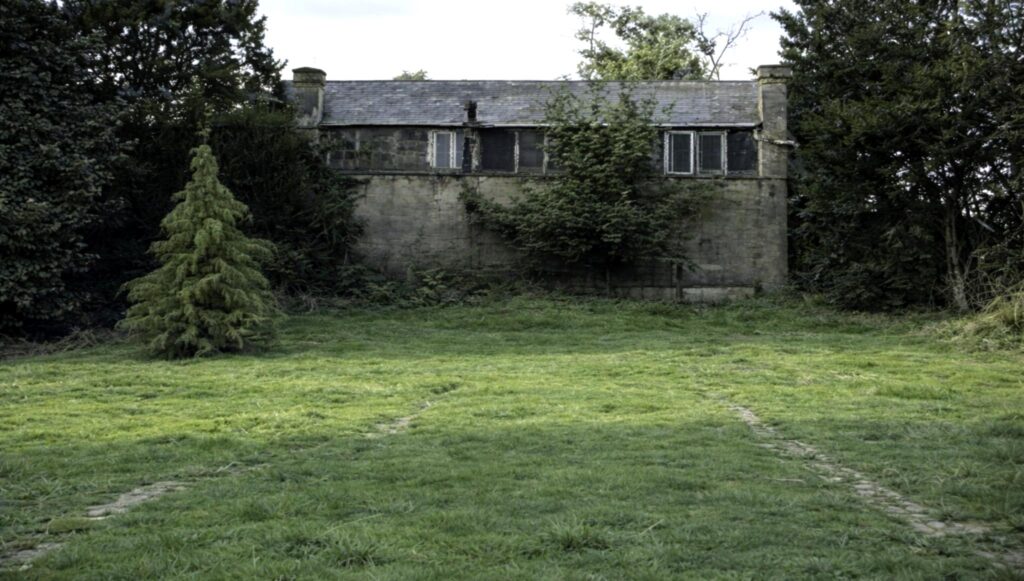
Bought in 1999 by the current owners the estate has been much brought back into use. Recent restoration has reinstated the glazing and returned much of its original appearance. Now used as a garden room, the building still preserves the essential form of what was once a highly advanced Victorian glasshouse, designed not for ornament, but for the successful cultivation of some of the most spectacular plants of the age.