
Nearly a thousand years of history can be traced through the records of Armitage-with-Handsacre. This One-Place Study brings together the people, buildings and everyday life of the parish, from medieval Handsacre to the growth of the modern village of Armitage-with-Handsacre.
Explore the lives of local families and individuals, discover the history of houses, churches and other buildings, and see how people worked, worshipped, went to school and experienced village life. The site also brings together photographs, postcards, maps, documents and historical records from across the parish’s history. You can also explore some of the parish’s major historical themes in greater depth further down the page.
Explore by topic
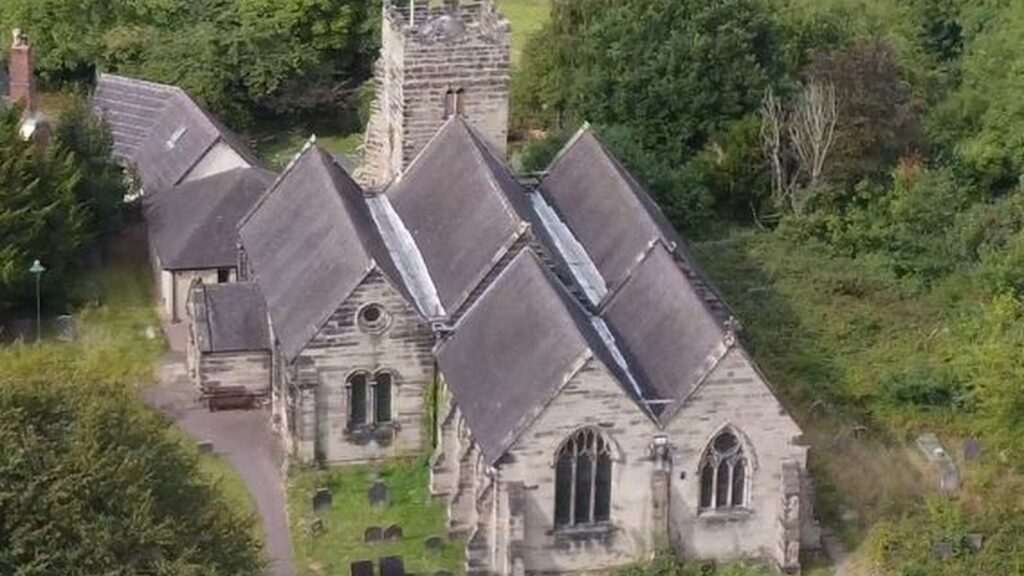
Historic Structures
Houses, churches, schools, chapels, bridges and other structures, surviving and lost.
People & Stories
Discover the families, individuals and personal stories that shaped the parish.
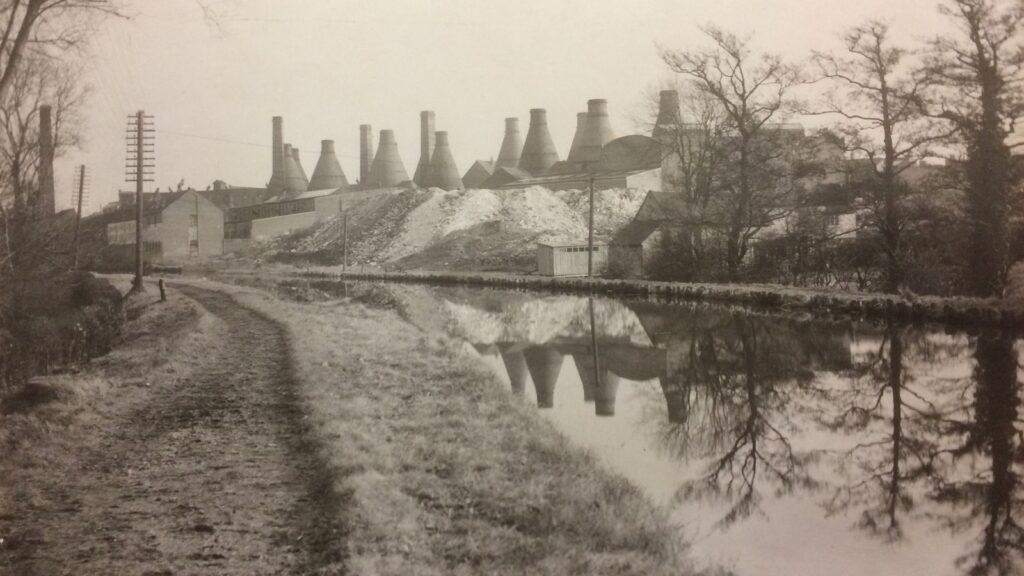
Village Life
Explore work, education, worship, recreation and everyday life in Armitage and Handsacre.
A Journey Through Time
Take a brief journey through nearly a thousand years of parish history with the illustrated Timeline, or take a guided tour of Armitage and Handsacre through the Postcard Collection.
Search the records
Research the people of the parish through the transcribed records. Search complete census transcriptions from 1841 to 1921, parish registers, military records, electoral rolls, Civil Defence, the Home Guard and Non-Conformist records.
Browse the Historical Records →
Recent Additions
The study continues to grow as new research, analysis, photographs and records are uploaded. Here are some of the latest additions to the site.
- Armitage Cottage – Gone, But Not Forgotten
- Armitage Tunnel – Brindley’s Lost Canal Tunnel
- Doug Matthews: From D-Day to 1,000 Goals
- Simon de Rugeley: Edward III’s Gentleman at Hawkesyard
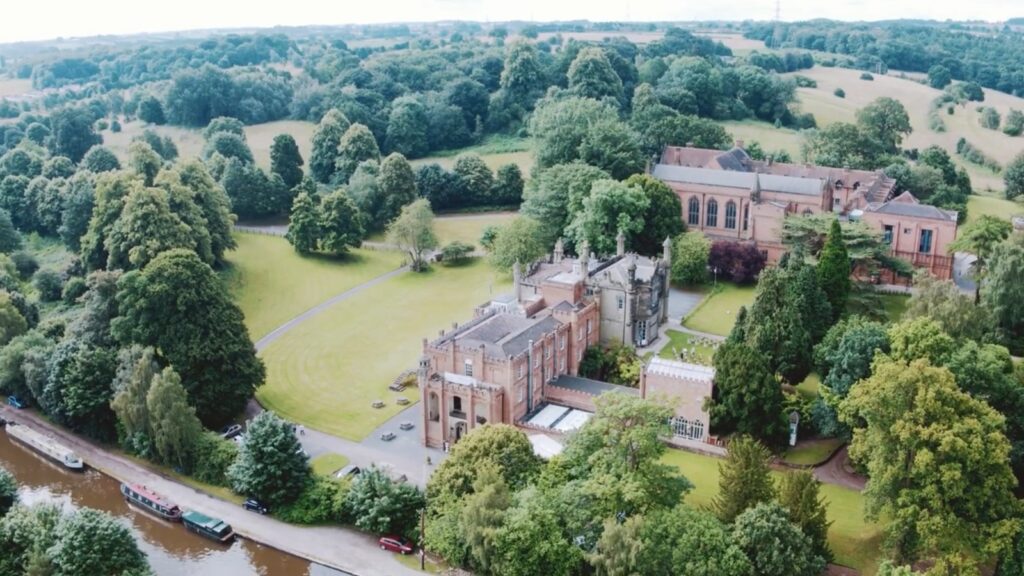
- The Hall Rediscovered
Explore in greater depth
Explore some of the parish’s major stories in greater depth through these collections of related articles.

About this One-Place Study
I grew up in the parish, first in Handsacre and later in Armitage, and this website is the result of many years of research, writing and collecting. My hope is that it will remain a lasting resource for residents, descendants, researchers and anyone interested in the history of Staffordshire.
If you have photographs, documents, memories or information relating to the parish, I would be delighted to hear from you. Every contribution helps to build a fuller picture of our shared history.
Richard Ewing